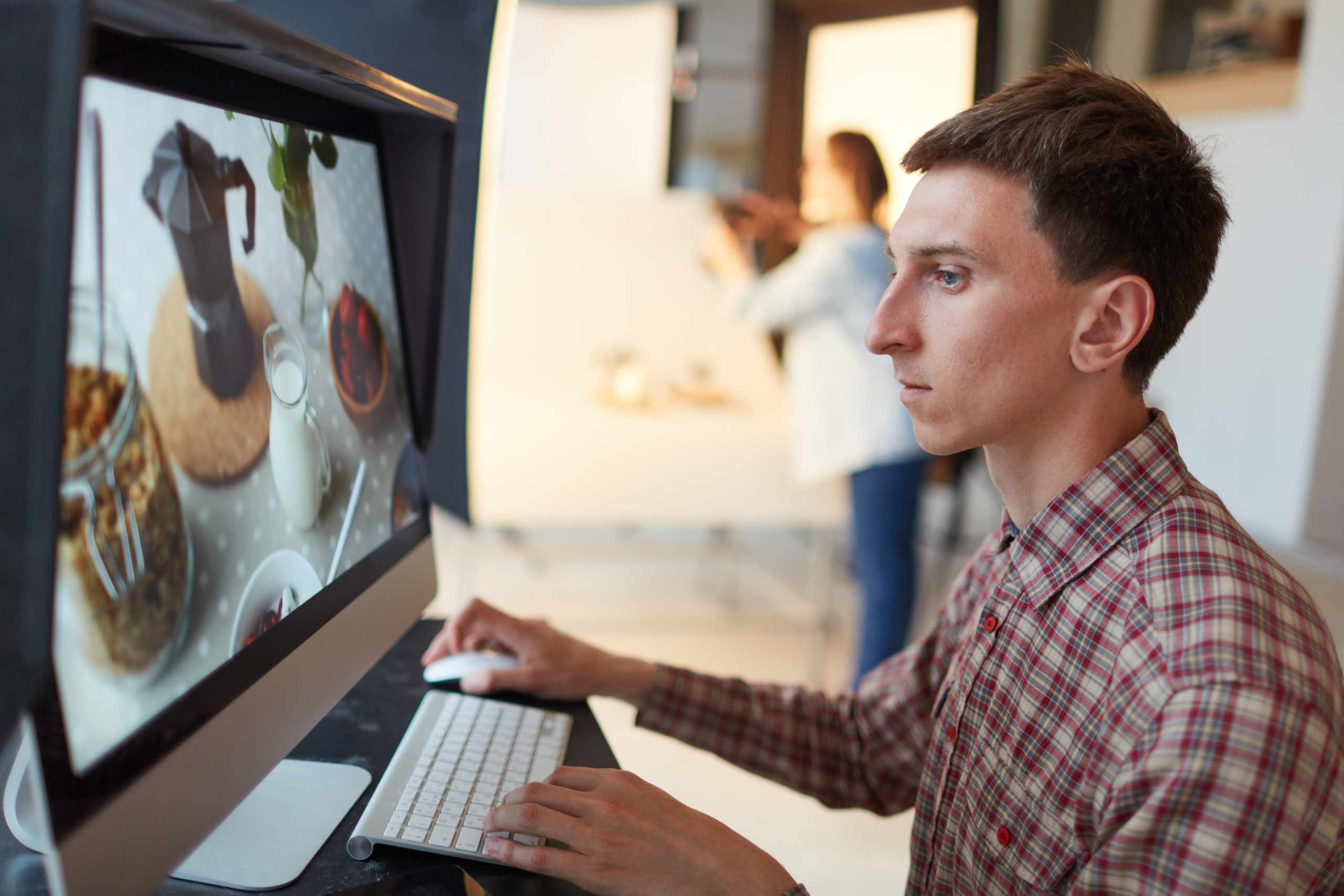
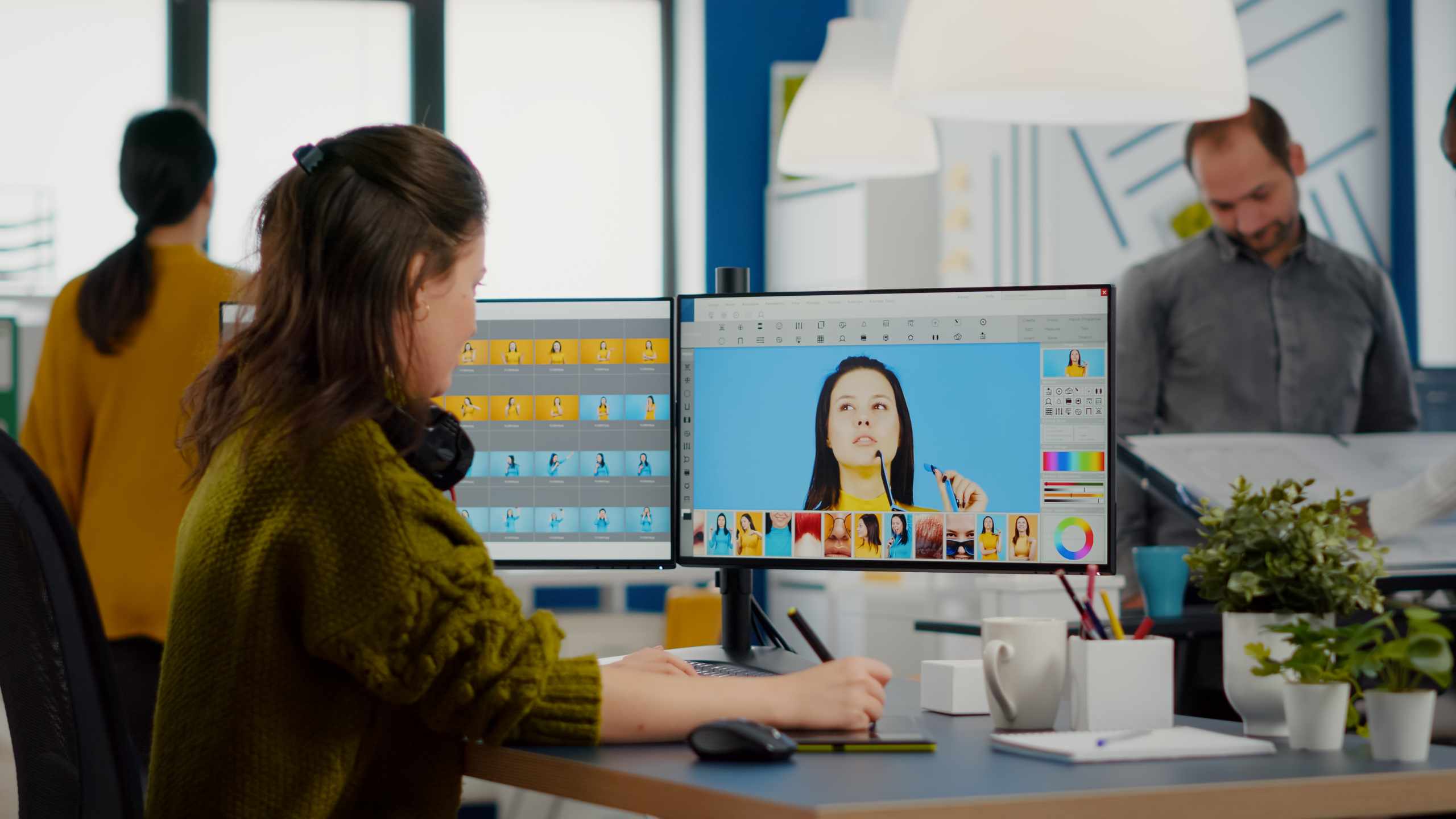
Simple shapes keep attention on motion rather than drawing detail, making it easier to notice uneven spacing, unclear poses, and accidental size changes.
Playback checks help you judge the action as movement, so corrections are based on rhythm, weight, and readability instead of isolated drawings.
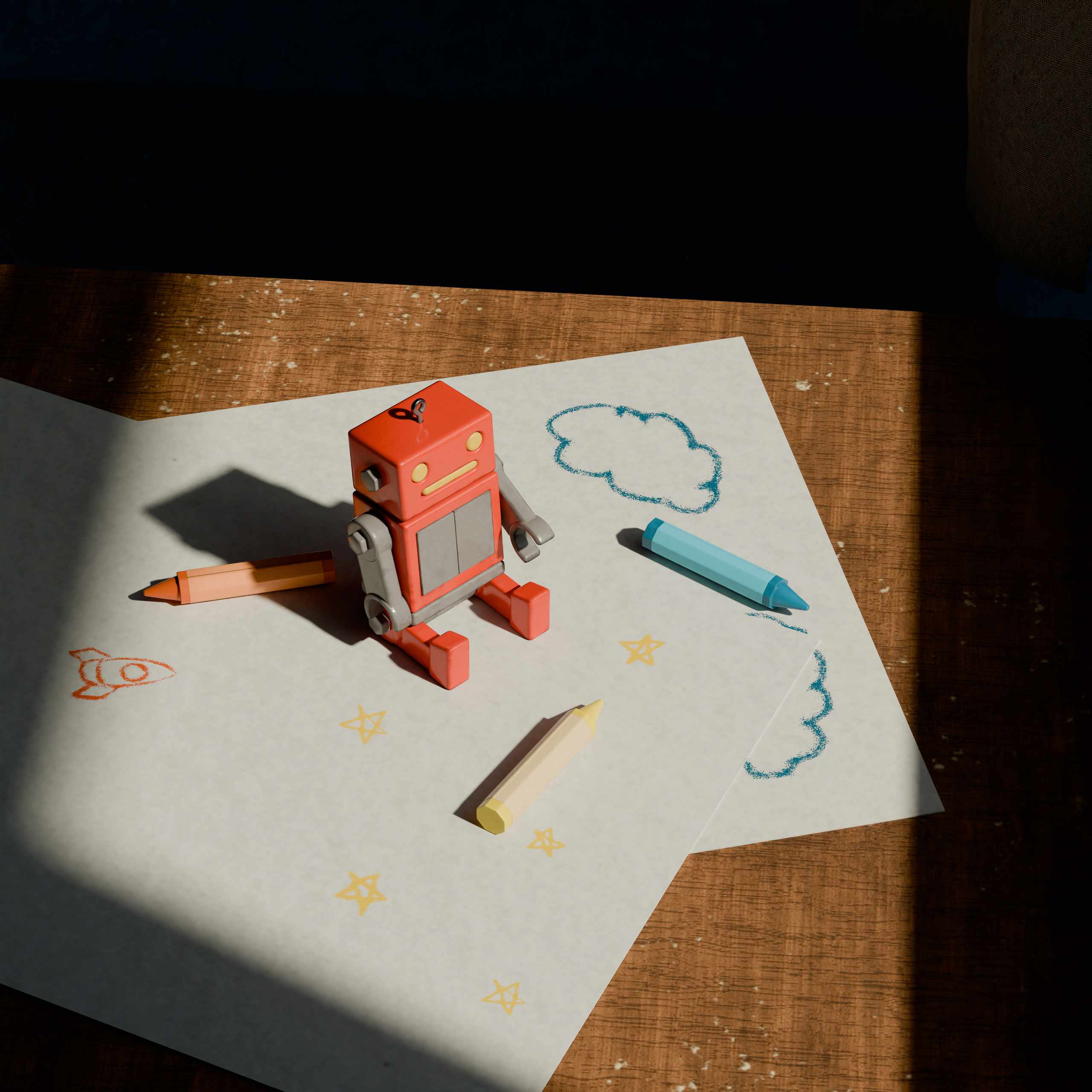
Bouncing Ball
Animate a simple ball to compare spacing, acceleration, deceleration, squash, and stretch without the distraction of a character drawing.

Anticipation Study
Add a preparation pose before a jump, throw, or quick turn and compare how clearly the viewer can read the action before it
happens.
Loop Practice
Build a short repeated action and compare the final frame with the opening pose to reduce visible jumps when the animation starts again.
How the Practice Feels
Learners describe how focused exercises helped them notice motion problems, organize key poses, and make more useful corrections during playback.
Working with a bouncing ball made timing much easier to understand. I could finally see how changing the spacing between frames made the same shape feel heavier or lighter.
Renji Aoki
Planning the key poses before drawing in-betweens helped me stop adding frames without a reason. My short actions became much easier to review and adjust.

Emi Hishida
The playback checks changed what I look for in an exercise. Instead of polishing every drawing, I now notice stiff arcs, sudden speed changes, and awkward loops first.